
A squealing brake isn’t just annoying—it’s vibrating. High-frequency vibration loosens bolts, fatigues springs, and cracks welds. In a quiet factory or near residential areas (port cranes), brake noise is a top complaint. But replacing the pads rarely fixes it permanently.
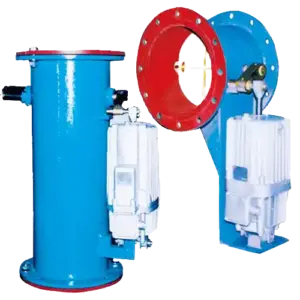
This article explains the root causes of brake squeal (high-frequency noise) and chatter (low-frequency judder) in industrial systems, focusing on YWZ13 drum brakes and SH disc brakes.
[Image Placeholder] Diagram of vibration modes: (A) Stick-Slip friction, (B) Shoe resonance, (C) Disc bell mode vibration.
1) The Physics of Squeal: It’s a Violin String
Brake squeal is self-excited vibration. The friction material grabs and slips against the disc/drum thousands of times per second (stick-slip). This excites the natural frequency of the brake shoe, caliper, or disc.
- Frequency: > 1 kHz (High Pitch).
- Cause: The friction coefficient ($\mu$) drops as sliding speed increases (negative slope). This instability feeds energy into the vibration.
2) Root Cause A: Glazed Linings (The #1 Culprit)
If a brake is lightly loaded (e.g., stopping an empty crane hook repeatedly), the linings never get hot enough to burn off contaminants. They become polished and hard (glazed).
- Symptom: Shiny, mirror-like surface on pads. Squeal starts immediately upon contact.
- Fix:
- Temporary: Sand the linings with 80-grit emery cloth to break the glaze.
- Permanent: Switch to a softer lining material or increase the braking duty (if safe) to keep pads conditioned.
3) Root Cause B: Misalignment (Toe-In / Heel-In)
If the brake shoe/pad hits the wheel at an angle, the leading edge digs in and vibrates.
- Drum Brakes (YWZ): The auto-aligning device is loose or missing. The shoe tilts, causing the bottom edge to drag and chatter.
- Disc Brakes (SH): The caliper is not parallel to the disc face. The pad hits one edge first.
- Fix: Re-align the brake base. Adjust the shoe equalization link. Ensure the air gap is parallel top-to-bottom.
4) Root Cause C: Light Damping (The “Singing” Disc)
Large, thin brake discs act like gongs. They ring easily.
- Symptom: A pure, ringing tone that persists even after the stop.
- Fix:
- Damping Shims: Install anti-noise shims (rubber/steel layers) behind the pads.
- Mass Dampers: Bolt a heavy ring or weights to the non-friction area of the disc to change its natural frequency.
- Chamfering: File a 45° chamfer on the leading/trailing edges of the friction pads. This prevents the sharp edge from digging in.
5) Root Cause D: Low Speed Chatter (Judder)
This is a low-frequency (10–100 Hz) shaking felt through the floor.
- Cause: Disc thickness variation (DTV) or drum out-of-roundness. The brake torque pulses with every revolution.
- Fix: Measure runout. Machine or replace the disc/drum. No amount of pad changing will fix a warped rotor.
- Another Cause: Loose mounting bolts. The whole brake frame is jumping. Torque all foundation bolts immediately.
6) Friction Material Selection for Noise Control
Not all linings sound the same:
| Material | Noise Risk | Notes |
|---|---|---|
| Sintered Metal | High | Very hard, aggressive. Prone to squeal at low speeds. Used for high heat/heavy duty only. |
| Semi-Metallic | Medium | Standard industrial lining. Good balance of life and noise. |
| Organic / Woven | Low | Softer, quieter. Wears faster but dampens vibration well. Best for noise-sensitive areas. |
7) A Quick Noise Troubleshooting Checklist
- Check Alignment: Is the shoe/pad contact even?
- Check Surface: Is the disc/drum glazed or scored?
- Check Hardware: Are all pins, springs, and clips tight? (Loose parts rattle).
- Chamfer Pads: File the edges.
- Apply Anti-Seize: (Carefully!) Apply a tiny amount of high-temp copper paste to the back of the pads (metal-to-metal contact points), never on the friction face.
Need quieter brake pads?
If your current linings are screaming, we can supply softer, noise-dampened friction materials compatible with YWZ and SH brakes. We also offer anti-noise shim kits for disc brake calipers.