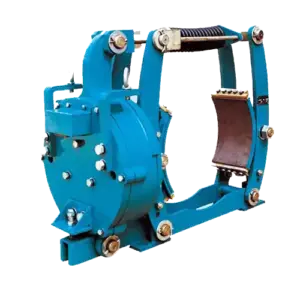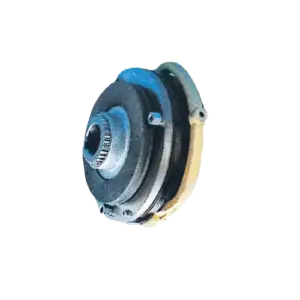

Overheating is usually the result of too much braking energy over time. Prevent it by verifying both torque and thermal capacity during selection. Calculate energy per stop and the number of stops per hour, then choose a brake with sufficient heat dissipation and lining material suited for the temperature range. Disc brakes often cool faster; heavy-duty drum brakes may require larger sizes or improved ventilation.
Operationally, minimize unnecessary braking. Use controlled deceleration via the drive (VFD ramping, regenerative braking, dynamic resistors) when appropriate, and reserve the mechanical brake for holding and emergencies. Ensure the brake fully releases—dragging is a major hidden heat source. Maintain correct air gap/clearance, lubricate pivots properly, and replace worn pins/bushings that cause misalignment.
Also consider staged braking (two-step braking) for high-inertia systems like downhill conveyors to reduce shock and peak heat. In harsh environments, keep friction surfaces clean and dry. If overheating persists, it may indicate undersizing, incorrect friction material, or a system-level control mismatch.