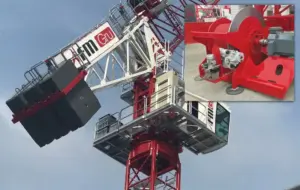

Inspection frequency should be based on risk and duty cycle. For safety-critical applications like cranes, hoists, elevators, and downhill conveyors, inspections are typically performed daily (visual checks) and weekly or monthly (functional and wear checks), with scheduled preventive maintenance at defined operating-hour intervals.
At minimum, establish three levels:
- Pre-shift visual check: leaks, abnormal noise, overheating, missing fasteners, damaged cables/hoses.
- Routine functional check: engagement/release response, air gap or shoe clearance, manual release function, limit switches (if present).
- Detailed service interval: friction lining thickness, spring condition, pin/bushing wear, hydraulic fluid quality, actuator stroke and force, and brake torque verification as required by standards.
Harsh environments (dust, salt spray, high humidity, extreme temperatures) require shorter intervals. If the brake is part of a certified lifting system, follow the applicable standard and OEM manual—inspection frequency can be a compliance requirement, not just best practice.