
В кранах, конвейерах, лебедках и машинах для обработки сыпучих материалов "удар тормоза" редко является лишь проблемой комфорта. Резкое торможение может создать измеримые последствия: удар от зазора редуктора, разрывы соединений, износ рельсов, проскальзывание ремня, структурная вибрация и более высокие пиковые температуры на трении. Если вы видите повторяющееся потемнение накладок, трещины на тормозных колесах/дисках или "таинственное" ослабление крепежа, профиль остановки часто является частью коренной причины.
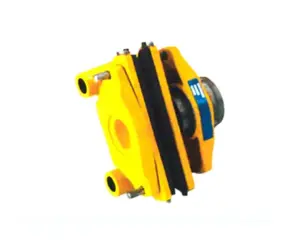
Эта статья объясняет, как спроектировать амортизированное (мягкое) торможение таким образом, чтобы оно оставалось безопасным и повторяемым. Мы сосредоточимся на методах, которые вы можете реализовать с реальными промышленными тормозами — особенно электогидравлическими барабанными тормозами, такими как YWZ13 и тормозами с гарантией безопасности, такими как SH — плюс меры на уровне системы (координация VFD, поэтапное торможение, гидравлическое демпфирование и механическая упругость).
[Изображение] Примеры профилей остановки: "ступенчатое торможение" против "двухступенчатого торможения" против "S-образного торможения" (замедление против времени).
1) Сначала определите, что означает "удар" в торможении (замедление и рывок)
Большинство жалоб на удары возникает из-за двух вещей:
- Высокое замедление (остановка слишком быстро для жесткости системы и зазора)
- Высокий рывок (замедление меняется слишком резко — момент переходит от "нуля" к "полной" почти мгновенно)
Два простых определения помогут вам количественно оценить проблему:
a=\frac{\Delta v}{\Delta t} j=\frac{\Delta a}{\Delta t}Где a — это замедление, а j — это рывок. Даже если ваше среднее замедление приемлемо, очень высокий рывок в начале торможения создает "удар", ощущаемый в редукторах и конструкциях.
Быстрая проверка реальности (числа, которые вы можете использовать на встречах): Если тележка движется со скоростью 0,8 м/с и останавливается за 0,2 с, среднее замедление составляет 4 м/с². Если вы остановитесь за 1,0 с, оно станет 0,8 м/с². Это изменение часто является разницей между повторяющимся механическим ударом и стабильной работой.
2) Преобразуйте "поведение остановки" в спрос на момент (почему время торможения меняет все)
Для вращательных систем тормозной момент связан с инерцией и угловым замедлением:
T \approx J \cdot \alpha = J\cdot\frac{\Delta \omega}{\Delta t}Таким образом, если вы удваиваете время остановки, вы примерно вдвое уменьшаете средний спрос на момент — и обычно также снижаете пиковый удар (при условии, что включение тормоза контролируется).
Пример (типичный для конвейеров и приводов перемещения)
Предположим, что эквивалентная инерция на валу тормоза составляет J = 80 кг·м². Тормоз включается на 500 об/мин (ω ≈ 52.36 рад/с).
Если вы остановитесь за 1.0 с:
\alpha \approx \frac{52.36}{1.0}=52.36\ \text{рад/с}^2,\quad T \approx 80\times 52.36 \approx 4189\ \text{Н·м}
Если вы остановитесь за 4.0 с:
\alpha \approx \frac{52.36}{4.0}=13.09\ \text{рад/с}^2,\quad T \approx 80\times 13.09 \approx 1047\ \text{Н·м}
Та же система. Та же скорость. Время остановки 4× уменьшает средний спрос на момент примерно в 4×. Вот почему амортизация часто является выбором проектирования системы, а не выбором размера тормоза.
3) Определите, где создается удар (прежде чем менять оборудование)
В полевых условиях устранения неполадок удары обычно происходят из одного из этих паттернов:
- Тормоз применяется на высокой скорости (без электрического предварительного торможения; тормоз выполняет все замедление)
- Тормозной момент "шагообразный" (без нарастания момента, без стадий, без контроля включения)
- Удар от зазора редуктора (разворот момента / зазор при зажатии тормоза)
- Тормоз применяется неравномерно (проблемы с выравниванием/выбегом, вызывающие ощущение "схватывания")
- Синхронизация управления неверна (VFD удаляет момент слишком рано/слишком поздно относительно установки тормоза)
[Изображение] График момента против времени, подчеркивающий: (A) задержка тормоза, (B) шаг момента, (C) всплеск зазора, (D) стабилизированная зона замедления.
4) Метод амортизации #1 (наиболее эффективный): координация VFD замедления тормоз установлен на почти нулевой скорости
Если у вашего механизма есть VFD, наиболее чистая стратегия "мягкого торможения" обычно заключается в следующем: пусть привод обрабатывает большинство замедлений, затем устанавливайте механический тормоз только тогда, когда скорость очень низкая (или нулевая). Это минимизирует тепло на тормозе и снижает удар, потому что тормоз не пытается поглотить всю кинетическую энергию.
Практические параметры ввода в эксплуатацию для определения:
- Время нарастания замедления (секунды)
- Порог скорости установки тормоза (например, < 3–10% номинальной скорости, в зависимости от применения)
- Задержка установки тормоза (мс) и подтверждение (выключатель открытого/закрытого тормоза, если доступен)
- Проверка момента: сохраняйте небольшой удерживающий момент до подтверждения закрытия тормоза (обычно для подъемников)
Для тормозов с гарантией безопасности, таких как SH гидравлические тормоза с гарантией безопасности, этот подход сохраняет тормоз в его "лучшей роли": безопасное удержание и экстренное торможение, в то время как рутинное замедление происходит электрически.
[Внутренняя ссылка] Ссылка на вашу статью о тормозах с гарантией безопасности или примечания по применению продукта SH.
5) Метод амортизации #2: двухступенчатый (двухступенчатый) тормозной момент
Двухступенчатое торможение применяет момент поэтапно: сначала меньший начальный момент для плавного удаления скорости, затем больший момент для закрепления/удержания. Это уменьшает рывок и ограничивает "удар" от зазора. Это широко используется в обработке сыпучих материалов и некоторых задачах перемещения кранов.
Существует два практических способа реализовать это:
- Специальный двухступенчатый дизайн тормоза (механическая/гидравлическая стадия, встроенная в тормоз).
- Последовательное включение двух тормозов (сначала примените тормоз A, затем тормоз B после заданной задержки).
В нашем каталоге пример концепции — это YW-E двухступенчатый электогидравлический барабанный тормоз, часто выбираемый, когда требуется "мягкая остановка" для защиты ремней, редукторов и конструкций.
[Внутренняя ссылка] YW-E двухступенчатый электогидравлический барабанный тормоз (страница продукта)
Начальные настройки (настраиваемые в поле, не универсальные):
- Момент на этапе 1: ~30–60% от полного тормозного момента
- Длительность этапа 1: ~0,3–2,0 с (дольше для более инерционных перемещений/конвейеров)
- Этап 2: полный момент для остановки/удержания
Правильные значения зависят от инерции, скорости и допустимого расстояния остановки. Подтвердите с помощью данных скорости-времени и проверок температуры ("мягкая остановка", которая слишком долго тянется, может увеличить тепло).
6) Метод амортизации #3: гидравлическое демпфирование (используйте осторожно в системах с гарантией безопасности)
Гидравлическое демпфирование может сгладить движение соединений тормоза или цилиндров освобождения, но вы должны соблюдать критическое правило: не компрометируйте производительность экстренного применения. Для тормозов с гарантией безопасности слишком медленное замедление применения может снизить безопасность.
Когда гидравлическое демпфирование используется безопасно, оно обычно настраивается как односторонний контроль с использованием клапана управления потоком с обходным клапаном:
- Ограничьте поток в направлении, в котором вы хотите замедлить (часто "освободить/открыть", чтобы уменьшить удар при запуске)
- Разрешите свободный поток в противоположном направлении ("применить/закрыть"), чтобы сохранить быструю реакцию с гарантией безопасности
Если вы ограничите путь сброса (возврат масла во время применения), вы можете создать обратное давление и замедлить применение тормоза — это распространенная ошибка в полевых условиях в гидравлической разводке тормоза.
[Внутренняя ссылка] Ссылка на вашу статью о гидравлической разводке (возвратный поток/обратное давление/дросселирование).
7) Метод амортизации #4: механическая упругость (соединения, торсионные элементы) для управления ударом от зазора
Иногда удар не связан в основном с тормозным моментом — это связано с жесткостью трансмиссии и зазором. Когда момент разворачивается или тормоз зажимает, зазор в зубьях шестерен и соединениях "вдруг" закрывается, создавая ударный всплеск. Добавление контролируемой упругости может поглотить часть этого удара.
Одним из практических компонентов, используемых в промышленных трансмиссиях, является эластичное зубчатое соединение (например, наше LMZ-I эластичное зубчатое соединение), которое вводит торсионную упругость и снижает пиковый удар. Это может быть особенно полезно в приложениях перемещения и конвейеров, где повторяющиеся остановки создают циклический удар.
[Внутренняя ссылка] LMZ-I эластичное зубчатое соединение (страница продукта)
Важное предостережение: упругость может улучшить поведение удара, но она также может увеличить угловое смещение перед нарастанием момента. Для точного позиционирования или безопасного удержания убедитесь, что добавленная упругость не создает дрейф, перехлест или нестабильность управления.
8) Метод амортизации #5: парные трения и состояние поверхности (часто игнорируется, но очень реально)
Два тормоза с одинаковым номинальным моментом могут ощущаться очень по-разному в поведении удара, потому что характеристики трения различны. Практические факторы включают:
- Класс фрикционного материала (органические против полуметаллических против синтерованных) и как μ меняется с температурой
- Поверхность диска/барабана (слишком грубый может "схватить"; слишком гладкий может покрыться и затем внезапно укусить)
- Выравнивание/выбег (неровный контакт создает "пульсацию" во время включения)
Если вы стремитесь к снижению удара, сначала подтвердите механические основы: правильный воздушный зазор/зазор, правильная отделка поверхности и отсутствие заедания. Амортизация не может исправить тормоз, который неправильно выровнен или загрязнен.
9) Как проверить, что вы действительно уменьшили удар (измеряйте, не догадывайтесь)
Мягкое торможение должно быть подтверждено данными. Простой комплект полевых измерений:
- Скорость против времени (кодировщик или обратная связь VFD): подтвердите форму замедления
- Синхронизация команды тормоза против скорости: подтвердите, что тормоз не зажимает на высокой скорости неожиданно
- Ускорение (по желанию) используя небольшой акселерометр на корпусе редуктора или конструкции: пик g является полезным индикатором удара
- Тенденция температуры после повторяющихся остановок: убедитесь, что вы не обменяли удар на тепло
Практический язык принятия многие команды используют внутри: "Нет слышимого удара, нет видимого щелчка зазора соединения, пиковое ускорение снижено по сравнению с базовой линией, и стабилизированная температура тормоза не увеличивается." Переведите это в свои собственные измеримые пороги во время ввода в эксплуатацию.
[Внутренняя ссылка] Пример данных: базовая линия против улучшенной кривой остановки (скорость-время) соответствующее сравнение повышения температуры.
Нужен план амортизации для вашей системы тормозов крана или конвейера?
Если вы поделитесь своим применением (подъемник крана / перемещение / конвейер), рабочей скоростью, оцененной инерцией, остановками в час и вашей моделью тормоза (например, YWZ13 или SH), мы можем порекомендовать практический подход: синхронизация VFD, оправданность двухступенчатого торможения, как безопасно настроить гидравлическое дросселирование и какие измерения записывать, чтобы доказать улучшение.
[Внутренняя ссылка] Свяжитесь с нашей инженерной командой для снижения ударов торможения и поддержки настройки системы.