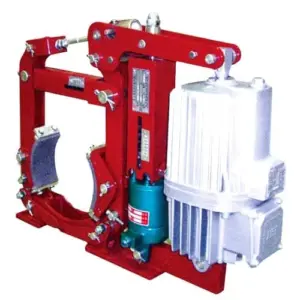
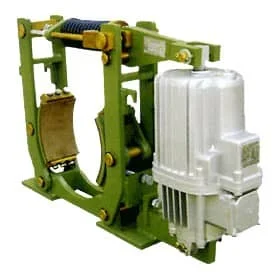
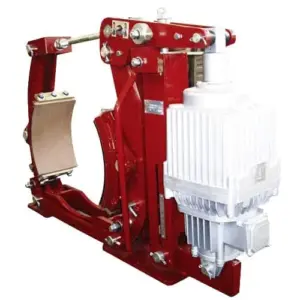
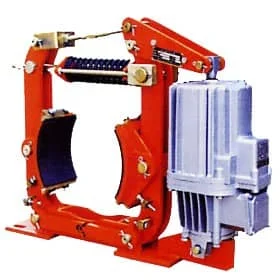
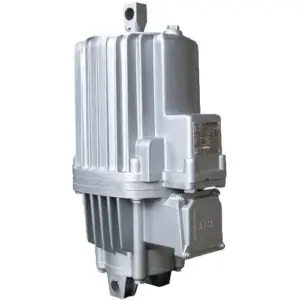
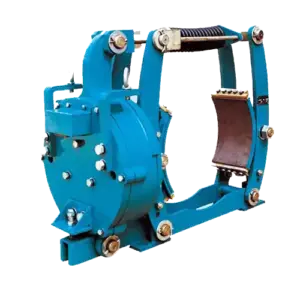
Доменные цеха и металлургические заводы подвергают тормоза воздействию высоких температур окружающей среды, тяжелых нагрузок, ударов, абразивной пыли, а также часто шкалы или масляного тумана. Подходящий тормоз должен обеспечивать высокий крутящий момент с стабильным трением при повышенных температурах, сопротивляться затуханию и переносить суровые загрязнения. Механическая прочность критична: штифты, втулки и корпуса должны выдерживать вибрацию и удары без потери выравнивания или зазоров.
Выбор фрикционного материала особенно важен. Полуметаллические или спеченные накладки часто предпочтительнее для повышения термостойкости и долговечности, хотя износ диска/барабана необходимо учитывать. Также важны герметизация и защита от коррозии, особенно в условиях присутствия охлаждающей воды или влажности.
Кроме того, доступ к техническому обслуживанию является практической необходимостью. На заводах простои дороги, поэтому тормоза должны позволять быстрое осмотр и замену изнашиваемых частей. Для кранов, критичных для безопасности (например, ковшовых кранов), важны резервирование и отказоустойчивый дизайн. Наконец, убедитесь, что тормоз и исполнительный механизм могут выдерживать цикл работы — частые пуски/остановки и аварийные ситуации создают значительный нагрев, который необходимо рассеивать без ухудшения характеристик.