
An IP rating (Ingress Protection) describes how well an enclosure protects internal parts from solids (dust) and liquids (water). It is expressed as two digits: the first relates to solids (0–6), the second to liquids (0–9K). For example, IP65 means dust-tight (6) and protected against water jets (5).
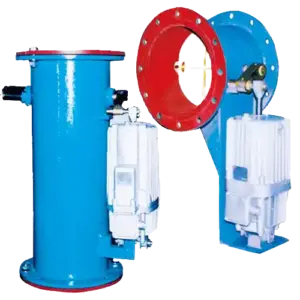
For industrial brakes, IP rating is especially relevant to electrical components such as thrusters, coils, limit switches, sensors, and power supply boxes. In dusty mines or cement plants, higher solid protection reduces failure from abrasive ingress. In ports and outdoor sites, water and salt spray resistance prevents electrical faults and corrosion.
However, IP rating does not guarantee chemical resistance, corrosion resistance, or suitability for submersion unless specified (e.g., IP67). Also, the brake’s mechanical friction surfaces are usually not enclosed in the same way. Use IP rating as part of a broader environmental specification that includes temperature range, corrosion protection, and cleaning practices. Correct cable glands and installation are critical—an IP-rated enclosure can fail if the wiring entry is poorly sealed.