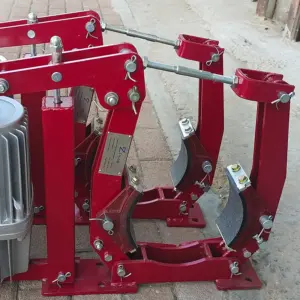

“Spring-applied, power-released” describes a fail-safe brake design where mechanical springs apply the braking force, and external power is only used to release the brake. In the unpowered state, springs clamp the pads/shoes against the disc/drum, generating holding torque. To allow motion, power (hydraulic pressure, compressed air, electromagnetic force, or an electro-hydraulic thruster) compresses the springs and separates the friction surfaces.
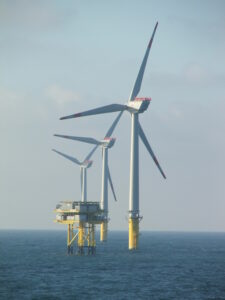
This is widely used in safety-critical machinery because power loss automatically results in braking. It is especially common on hoists, cranes, wind turbines, mine hoists, and conveyors where uncontrolled movement is dangerous.
However, “spring-applied” does not automatically mean the brake is suitable for frequent dynamic stops. Always check duty cycle ratings, allowable energy per stop, and thermal design. Also verify features like manual release (for maintenance or rescue) and wear adjustment mechanisms to maintain consistent performance over time.