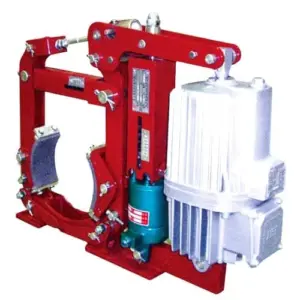
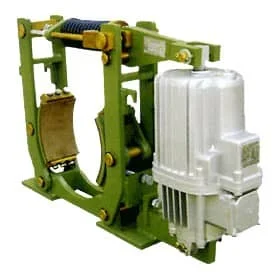
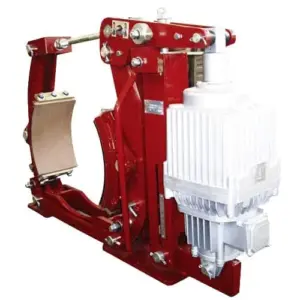
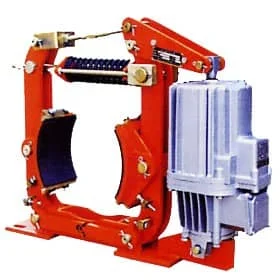
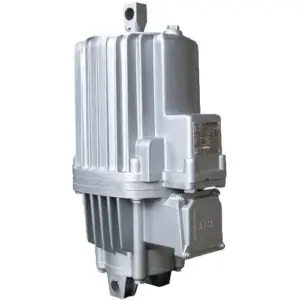
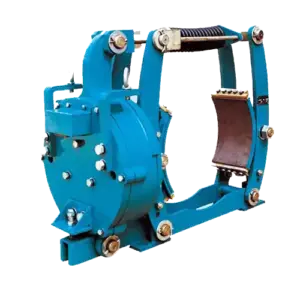
Pabrik baja dan fasilitas metalurgi mengekspos rem terhadap suhu lingkungan yang tinggi, beban berat, guncangan, debu abrasif, dan sering kali skala atau kabut minyak. Rem yang cocok harus memberikan torsi tinggi dengan gesekan yang stabil pada suhu tinggi, tahan terhadap fade, dan toleran terhadap kontaminasi keras. Ketahanan mekanis sangat penting: pin, bushing, dan rumah harus mampu menahan getaran dan benturan tanpa kehilangan penjajaran atau jarak clearance.
Pemilihan bahan gesekan sangat penting. Linings semi-logam atau sintered sering dipilih untuk ketahanan panas dan daya tahan yang lebih tinggi, meskipun keausan cakram/kelopak harus dipertimbangkan. Penyegelan dan perlindungan terhadap korosi juga penting, terutama jika ada semprotan air pendingin atau kelembapan.
Selain itu, akses pemeliharaan adalah kebutuhan praktis. Di pabrik, waktu henti sangat mahal, jadi rem harus memungkinkan inspeksi cepat dan penggantian bagian aus. Untuk crane yang kritis untuk keselamatan (misalnya, crane ladle), redundansi dan desain fail-safe sangat penting. Akhirnya, pastikan rem dan aktuator dapat menangani siklus tugas—mulai berhenti dan nyala secara sering serta skenario darurat menghasilkan panas yang signifikan yang harus didispersikan tanpa mengurangi kinerja.