견적 요청
메시지를 남겨 주세요. 12시간 이내에 답변 드리겠습니다.

브레이크 선택 is a systematic engineering analysis process aimed at precisely matching the optimal solution—in terms of performance, safety, lifespan, and cost—from among numerous brake types, specifications, and configurations for a specific industrial application.
이는 단순한 “선택하고 구매” 과정이 아니라 기계에 맞춘 “맞춤형 수트 제작”에 더 가깝습니다. 올바른 선택은 기계가 안전하고 신뢰성 있게 작동할 수 있는지를 결정하며, 잘못된 선택은 성능 저하, 조기 고장 또는 치명적인 사고로 이어질 가능성이 높습니다.
전문적인 브레이크 선정 프로세스는 다음 네 가지 핵심 단계를 요약한 엄격한 논리를 따라야 합니다:
1. Define the Application Requirements
This forms the foundation of selection, requiring a clear answer to the question: “What must the brake accomplish?”
Function Type:
다이내믹 제동: Does it need to frequently decelerate moving objects to a stop? (e.g., crane hoisting)
Static/Holding: Is its primary role to reliably lock the load during power loss or when stationary? (e.g., servo motor parking brake)
Emergency: Is it used solely as a fail-safe device in emergencies? (e.g., elevator safety clamp)
Tensioning: Does it need to provide a continuous, controllable constant torque? (e.g., coil handling equipment)
Environmental Factors:
Will the brake operate indoors or outdoors? Is there dust, water, oil contamination, or corrosive chemicals?
What is the ambient temperature range?
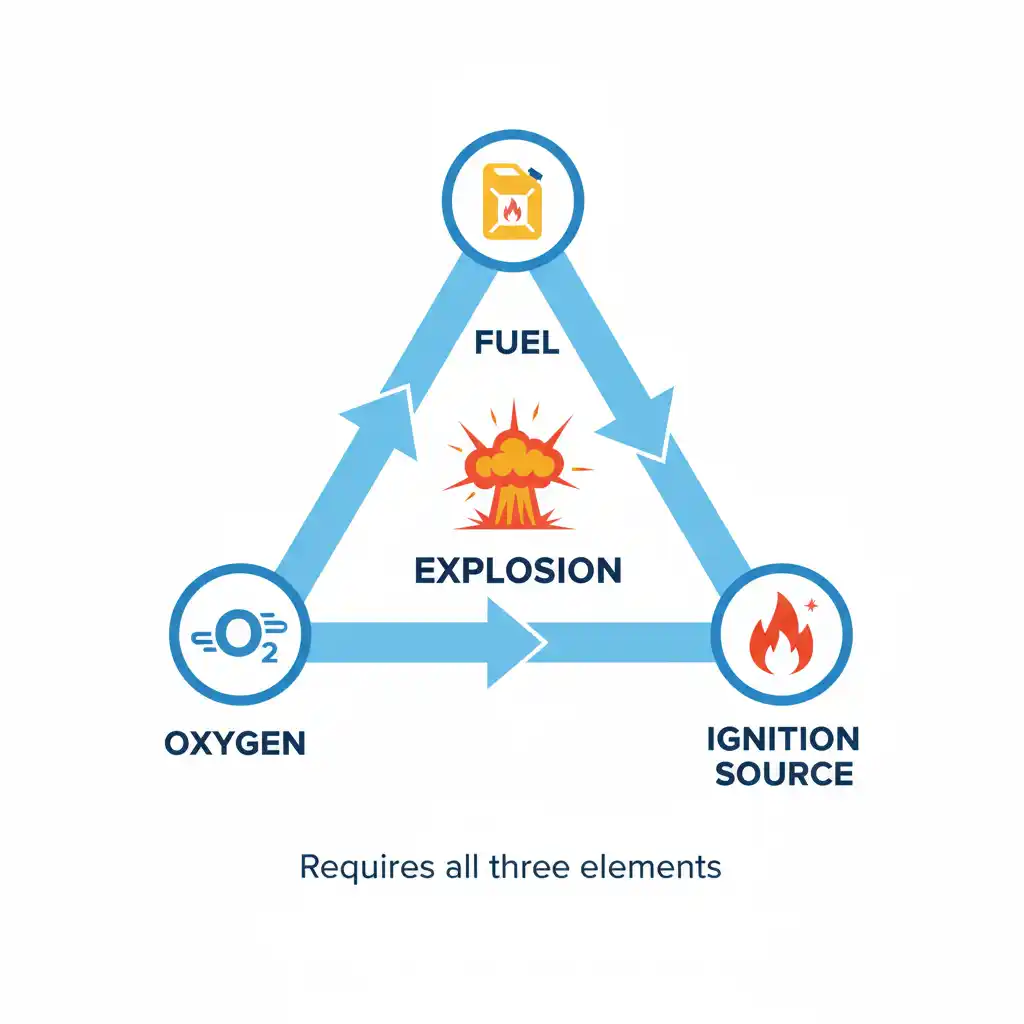
Are explosive gases or dust present (requiring ATEX certification)?
전원 공급원:
What energy sources are available on-site? Electrical (AC/DC), hydraulic, or compressed air?
2. Quantify the Performance Parameters
This is the process of converting vague requirements into concrete data—what we previously discussed as Brake Calculation.
Torque: What static holding torque or dynamic braking torque is required?
Energy/Power: How high is the braking frequency? How much energy must be absorbed per braking cycle? What is the average dissipation power? This determines the brake’s thermal capacity.
Speed: What is the maximum rotational speed of the shaft where the brake is mounted?
Response Time: How quickly must the brake engage and release?
3. Match the Brake Technology
Based on the clear profile established in the first two steps, select the most suitable brake technology type.
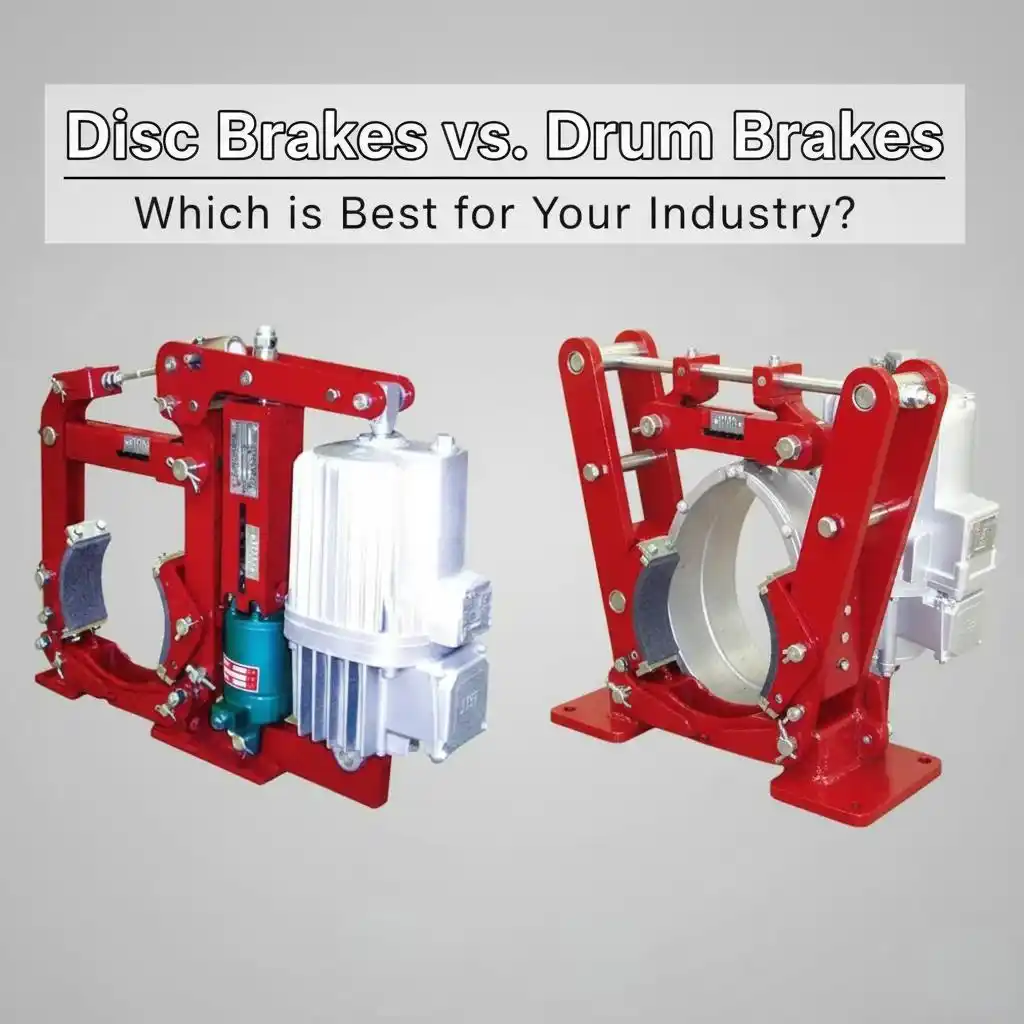
High Dynamic, High Heat Dissipation Requirements: Prioritize ventilated disc brakes Heavy-duty, harsh environments, high-reliability static holding: Block brakes or drum brakes are preferred.
Compact, precision, fail-safe: Spring-applied electromagnetic brakes are the standard solution.
Requiring substantial clamping force: Hydraulic brakes offer superior performance.
Clean, rapid-response tension control: Pneumatic brakes deliver outstanding results.
4. Final Verification & Optimization
After determining the basic type and specifications, conduct final trade-offs.
Safety Factor: Is sufficient margin provided for unexpected events?
Serviceability & Lifespan: Is friction pad replacement convenient? Does the expected lifespan meet customer requirements?
Cost-Effectiveness: Under all technical and safety requirements, is the selected solution optimal for total cost of ownership (purchase cost + maintenance cost)?
“Brake Selection” bridges customer needs with product technology, serving as a consultative service. It reflects a supplier’s technical expertise and application experience. An outstanding brake supplier sells not just products, but a commitment to safety, efficiency, and reliability through precise selection. Any selection process that skips the first two steps and jumps directly to the third is unprofessional and extremely dangerous.