견적 요청
메시지를 남겨 주세요. 12시간 이내에 답변 드리겠습니다.

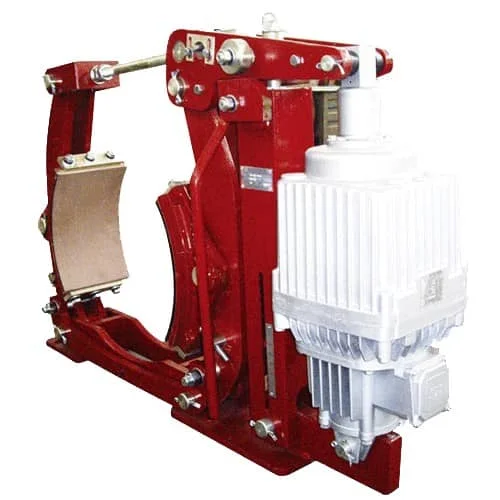
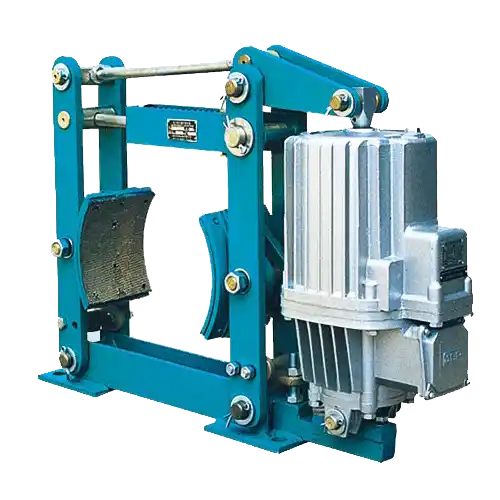
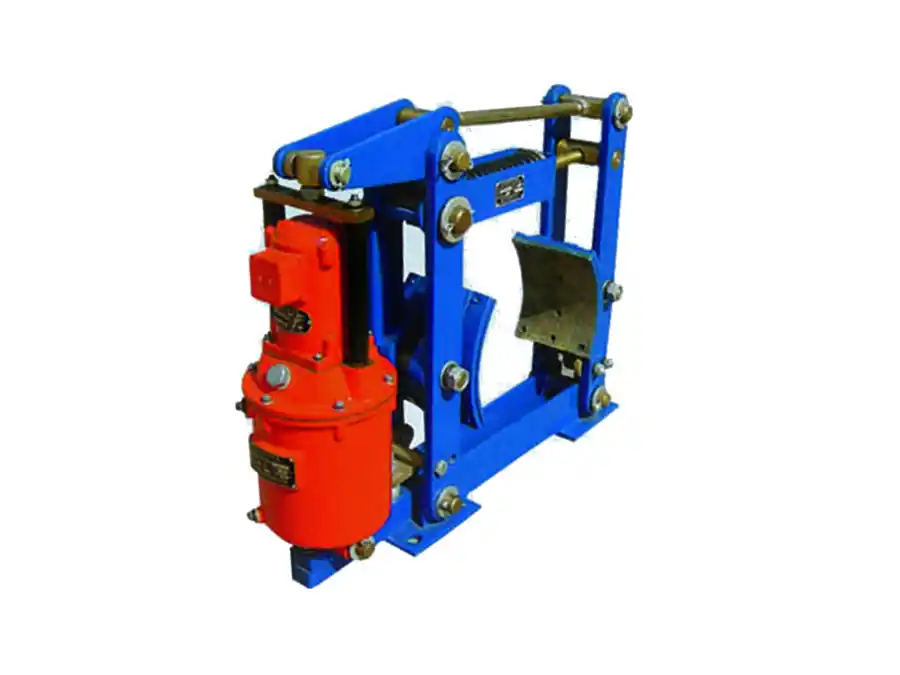
일반적으로 비상 제동, often called an E-Brake or E-Stop, is not a specific type of brake but rather a functional system designed to bring machinery to the fastest, safest possible stop in a hazardous situation, often overriding all other controls. Its design and activation are governed by stringent safety standards for the specific application.
산업용 비상 브레이크 시스템의 주요 특징은 다음과 같습니다:
A prime example is found in modern elevator safety regulations. While elevators have always had a primary, fail-safe motor brake for normal operations and “safeties” that grip the rails in a free-fall, new codes (like those in NYC and Florida) now mandate an additional, separate emergency brake. This brake acts directly on the traction sheave, drum, or ropes and is specifically designed to protect against uncontrolled or unintended car movement even if the main motor brake fails. It is triggered by specific sensors detecting such movement, providing a crucial, independent layer of protection that was previously absent, and perfectly illustrating the definition of a true emergency brake.