OBTENIR UN DEVIS
Veuillez nous laisser un message, et nous répondrons dans les 12 heures.

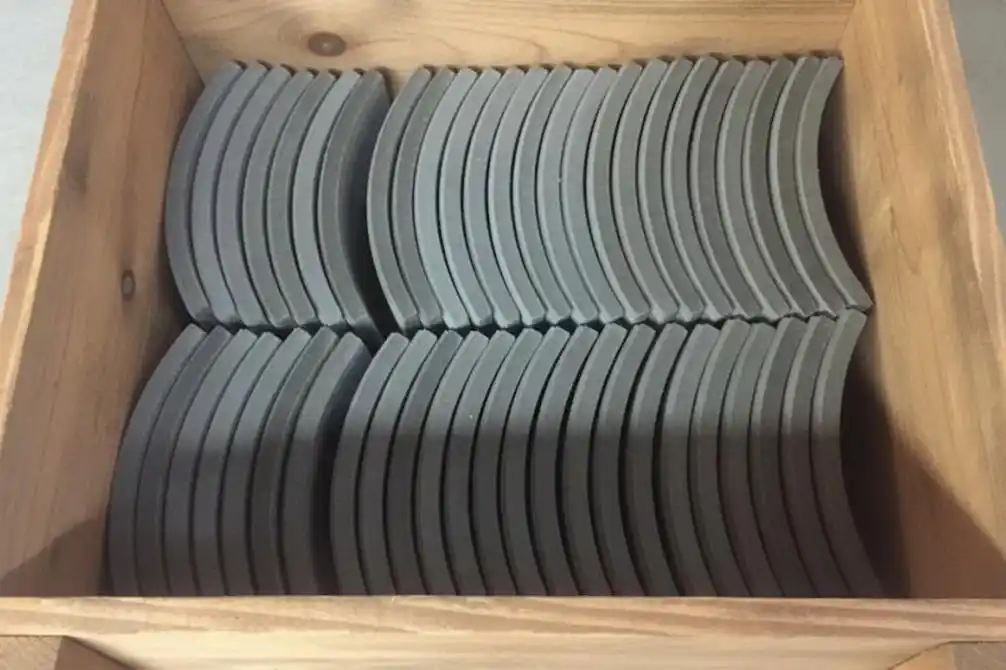
Les garnitures de frein, également communément appelées garnitures de friction ou patins de friction, sont des couches composites fonctionnelles remplaçables à l’intérieur d’un ensemble de freinage, spécifiquement conçues pour générer de la friction. Elles ne fournissent pas de soutien structurel en elles-mêmes, mais elles sont fixées (par rivetage ou collage) à la surface intérieure des composants structurels métalliques du frein, tels que la chaussure ou la bande de freinage.
Key Performance Indicators and Material Composition:
High and Stable Coefficient of Friction: This forms the basis for generating braking force. An ideal lining should maintain a consistent coefficient of friction across varying temperatures, humidity levels, and pressures, preventing erratic fluctuations in braking power.
Exceptional Wear Resistance: This determines the lining’s service life and replacement cycle.
Exceptional Heat Resistance: Braking generates temperatures reaching hundreds or even thousands of degrees Celsius. Lining must resist decomposition and carbonization at these temperatures while rapidly recovering from thermal fade.
Compatibility with Counterparts: While delivering strong friction, lining must not cause excessive wear or damage to brake rotors/drums.
Mechanical Strength and Impact Resistance: Capable of withstanding immense shear forces and impacts during braking without fracturing.
Based on these requirements, modern industrial brake lining materials are typically asbestos-free and fall into several main categories:
Organic Materials (Organic/NAO): Compounds of fibers (e.g., glass fiber, aramid), fillers, and high-performance resins. Advantages include low noise and minimal wheel wear, though heat resistance and abrasion resistance are relatively weaker. Suitable for medium to low load conditions.
Semi-metallic Materials: Incorporate significant metal components like steel wool and copper powder into organic bases. Advantages include excellent heat transfer, high-temperature resistance, and strong braking force, making them ideal for heavy-duty and frequent braking applications. However, they may produce higher noise levels.
Sintered Materials: Produced by sintering metal powders (e.g., copper, iron) and ceramics under high temperature and pressure. They offer the highest heat resistance and wear resistance, with virtually no thermal fade. Suitable for the most demanding, high-energy braking applications like wind turbines and mining equipment.
Evaluating a brake’s quality largely hinges on the performance of its lining. It is not a generic component for casual replacement, but rather an engineered solution meticulously calculated and tested countless times to tailor performance for specific operating conditions. Selecting the optimal lining formulation directly tests a brake manufacturer’s core competency in materials science.