احصل على عرض سعر
يرجى ترك رسالة لنا، وسنرد خلال 12 ساعة.
![[Translate to Arabic placeholder]](https://www.takebrakes.com/wp-content/uploads/2025/04/logo-300x51.png)
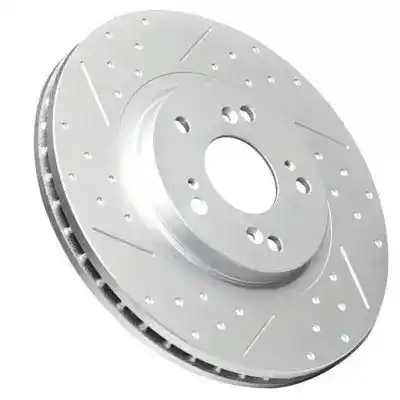
The brake disc, also referred to as the brake rotor in some contexts, is the core circular component within a disc brake system that rotates with the wheel or machine shaft. Its primary function is to provide a stable, wear-resistant friction surface for the brake pads.
You can visualize it as a metal “plate” mounted on a rotating shaft. When braking is required, the brake caliper drives the brake pads to clamp down on this rapidly spinning “plate” like a pair of pliers. Through intense friction, this action decelerates the wheel until it comes to a stop.
Professional Analysis and Design Considerations:
على الرغم من بساطتها الظاهرية، يحد تصميم وتصنيع قرص الكبح من الحدود العليا لأداء نظام الكبح بأكمله. إنه ليس مجرد مكوّن احتكاك سلبي بل جهاز إدارة حرارية نشط.
علوم المواد: أقراص الكبح الصناعية عادة ما تكون مصنوعة من حديد رمادي عالي الجودة أو حديد سبيكي. تُختار هذه المواد لمزيج أدائها الاستثنائي:
High thermal mass: Capable of absorbing the immense heat generated during braking.
Good thermal conductivity: Enables rapid heat dissipation from the friction surface.
Superior wear resistance and friction stability: Maintains a consistent coefficient of friction at high temperatures while resisting deformation.
Thermal Design: This is the core distinction between standard and high-performance brake discs. Based on heat dissipation capability, they are primarily categorized into two types:
Solid Disc: A solid metal disc. Its simple structure and low cost make it suitable for applications with low braking energy demands and infrequent use, such as parking brakes in small equipment.
Ventilated Disc: The standard configuration for high-performance dynamic braking. It consists of two disc faces connected by numerous radial ribs or blades, forming internal air channels. As the disc rotates, these ribs function like a centrifugal fan, drawing cool air into the center and expelling it outward through the periphery. This forced air cooling actively and efficiently dissipates heat, significantly enhancing the brake’s resistance to thermal fade. Consequently, it enables more frequent and higher-energy braking cycles.
Surface Finish: The friction surface of a brake disc does not benefit from excessive smoothness. It requires specific roughness and finishing processes to ensure rapid establishment of an optimal friction layer (the bedding-in process) with the brake pads and to facilitate the removal of friction-generated debris.
إن قرص الكبح هو المكوّن داخل نظام الكبح الكلي الذي يتحمل أعلى حمل حراري وأشد ظروف التشغيل. يتم تحديد قدرة النظام على معالجة قوة الكبح واستدامة التشغيل المستمر بشكل كبير ليس بواسطة قوة تثبيت الميّاد المتجمّع للمكبس، بل بقدرة قرص الكبح على تفريغ الحرارة. لذلك، عند تقييم نظام كبح القرص، فإن تحليل مادة القرص وأبعاده (القطر والسمك) وخصوصًا هيكل التهوية فيه أمر أساسي لتحديد مستواه الحقيقي من الأداء.