Получить предложение
Пожалуйста, оставьте нам сообщение, и мы ответим в течение 12 часов.

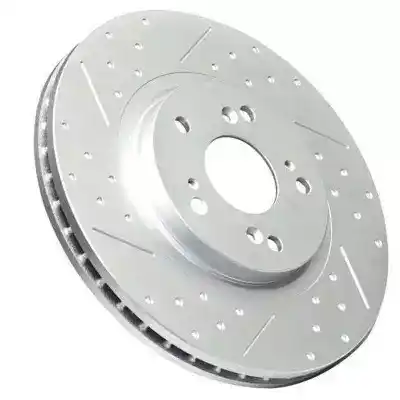
The brake disc, also referred to as the brake rotor in some contexts, is the core circular component within a disc brake system that rotates with the wheel or machine shaft. Its primary function is to provide a stable, wear-resistant friction surface for the brake pads.
You can visualize it as a metal “plate” mounted on a rotating shaft. When braking is required, the brake caliper drives the brake pads to clamp down on this rapidly spinning “plate” like a pair of pliers. Through intense friction, this action decelerates the wheel until it comes to a stop.
Professional Analysis and Design Considerations:
Хотя кажется простым, дизайн и производство тормозного диска определяют верхние пределы производительности всей тормозной системы. Он не просто пассивный компонент трения, а активное устройство теплового управления.
Материаловедение: Производственные тормозные диски обычно изготавливаются из высококачественного серого чугуна или литого железа. Эти материалы выбираются за их исключительные свойства:
High thermal mass: Capable of absorbing the immense heat generated during braking.
Good thermal conductivity: Enables rapid heat dissipation from the friction surface.
Superior wear resistance and friction stability: Maintains a consistent coefficient of friction at high temperatures while resisting deformation.
Thermal Design: This is the core distinction between standard and high-performance brake discs. Based on heat dissipation capability, they are primarily categorized into two types:
Solid Disc: A solid metal disc. Its simple structure and low cost make it suitable for applications with low braking energy demands and infrequent use, such as parking brakes in small equipment.
Ventilated Disc: The standard configuration for high-performance dynamic braking. It consists of two disc faces connected by numerous radial ribs or blades, forming internal air channels. As the disc rotates, these ribs function like a centrifugal fan, drawing cool air into the center and expelling it outward through the periphery. This forced air cooling actively and efficiently dissipates heat, significantly enhancing the brake’s resistance to thermal fade. Consequently, it enables more frequent and higher-energy braking cycles.
Surface Finish: The friction surface of a brake disc does not benefit from excessive smoothness. It requires specific roughness and finishing processes to ensure rapid establishment of an optimal friction layer (the bedding-in process) with the brake pads and to facilitate the removal of friction-generated debris.
Тормозной диск — это компонент всей тормозной системы, испытывающий наибольшую тепловую нагрузку и работу в самых суровых условиях. Способность тормозной системы выдерживать тормозную мощность и обеспечивать непрерывную работу во многом зависит не от силы зажима суппорта, а от способности диска рассеивать тепло. Поэтому при оценке системы дисковых тормозов важно анализировать материал диска, его размеры (диаметр и толщину), а особенно его вентиляционную структуру для определения его реальной производительности.