RICHIEDI UN PREVENTIVO
Per favore, lasciaci un messaggio e risponderemo entro 12 ore.

Apparecchiature montate su rotaia encompasses a wide range of heavy machinery that operates on a fixed railway or track system. Unlike mobile, tire-based vehicles, this equipment is guided along a predetermined path, enabling the precise movement and positioning of enormous loads with exceptional stability and control. This design principle is fundamental to operations in ports, steel mills, mining, and large-scale manufacturing, where efficiency, safety, and the ability to handle immense weight are paramount.
Core Principles and Advantages
L’uso di un sistema ferroviario offre diversi vantaggi distinti rispetto all’attrezzatura libera:
Key Examples of Rail Mounted Equipment
Questa categoria comprende alcune delle più grandi macchine terrestri mobili al mondo:
The Critical Role of Control and Safety Systems
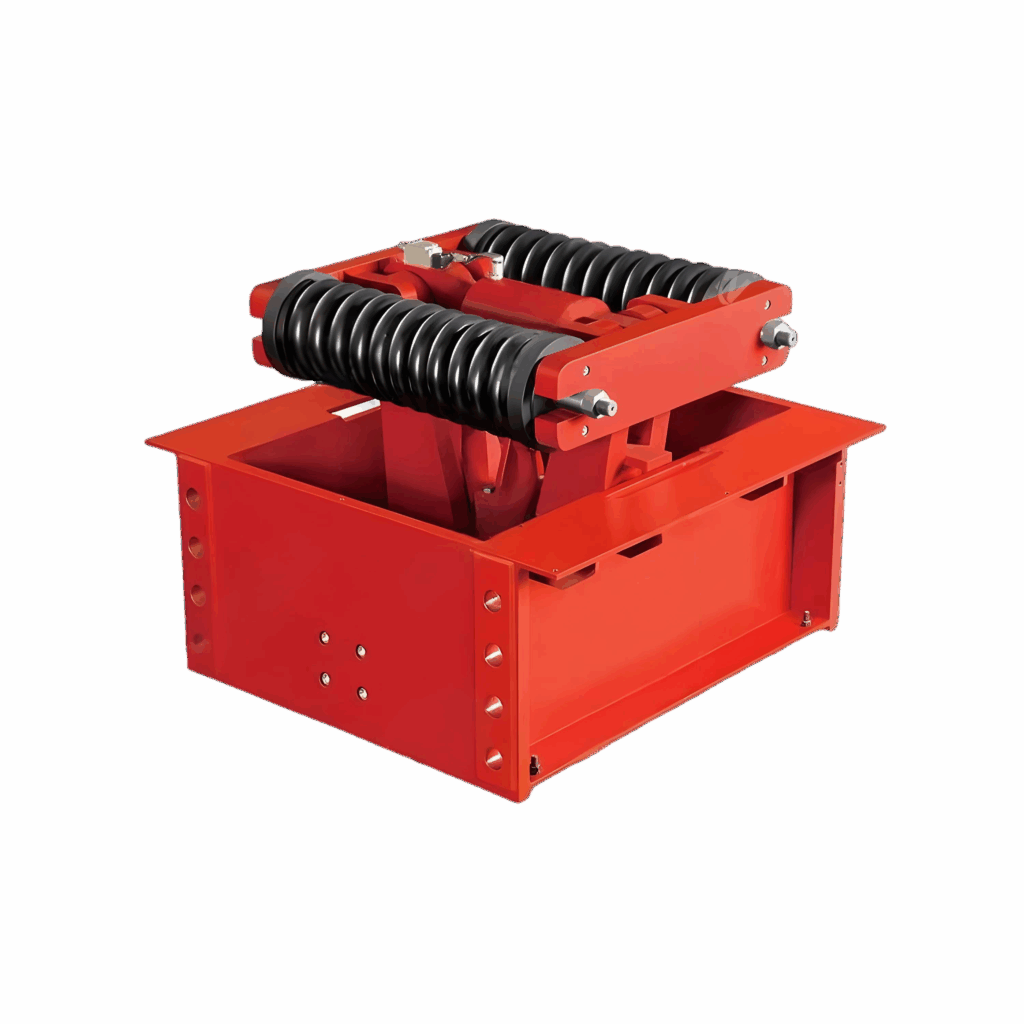
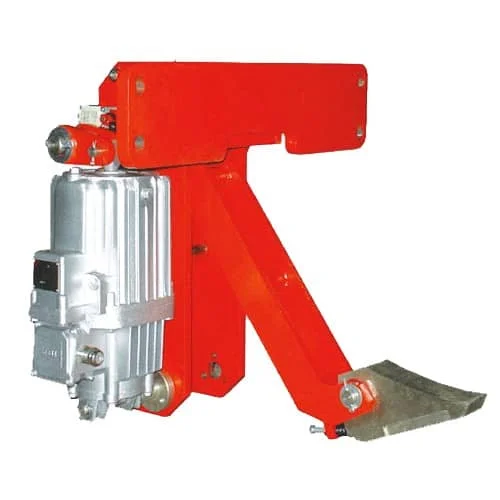
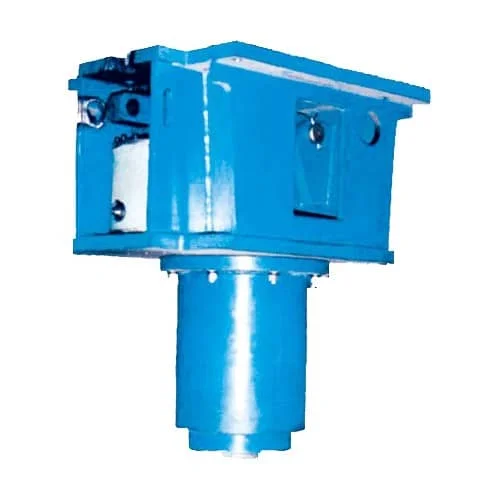
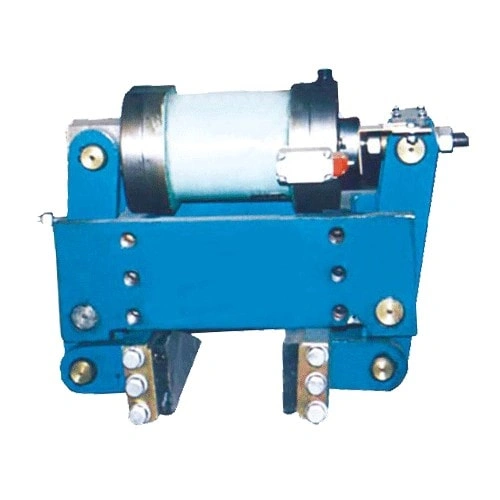
The immense mass and inertia of rail-mounted equipment necessitate sophisticated braking and holding systems. Operations require both dynamic braking to control speed and bring the machinery to a controlled stop, as well as static braking to hold it securely in place. This is especially critical to counteract external forces like severe wind loads on tall cranes. Consequently, this equipment relies on a multi-layered system of safety components, including service brakes (e.g., disc or drum brakes), emergency brakes, and failsafe holding devices like Rail Clamps and wheel brakes.
In conclusione, Rail Mounted Equipment rappresenta l’apice della movimentazione di materiali pesanti, fornendo la base per la logistica globale e la produzione industriale. Il suo funzionamento efficace e sicuro dipende interamente dall’ingegneria robusta della struttura, dei sistemi di azionamento e, soprattutto, delle sue tecnologie avanzate di frenatura e fissaggio.