Alta Coppia

In the context of industrial brakes, Alta Coppia refers to the brake’s capacity to apply a substantial amount of rotational force to stop or hold a load. Torque, measured in Newton-meters (Nm) or pound-feet (lb-ft), is the direct measure of a brake’s “strength.” While the term “high” is relative to the application, it specifically denotes a brake engineered to manage immense forces, whether static or dynamic.

La necessità di alta coppia è guidata da due funzioni principali:

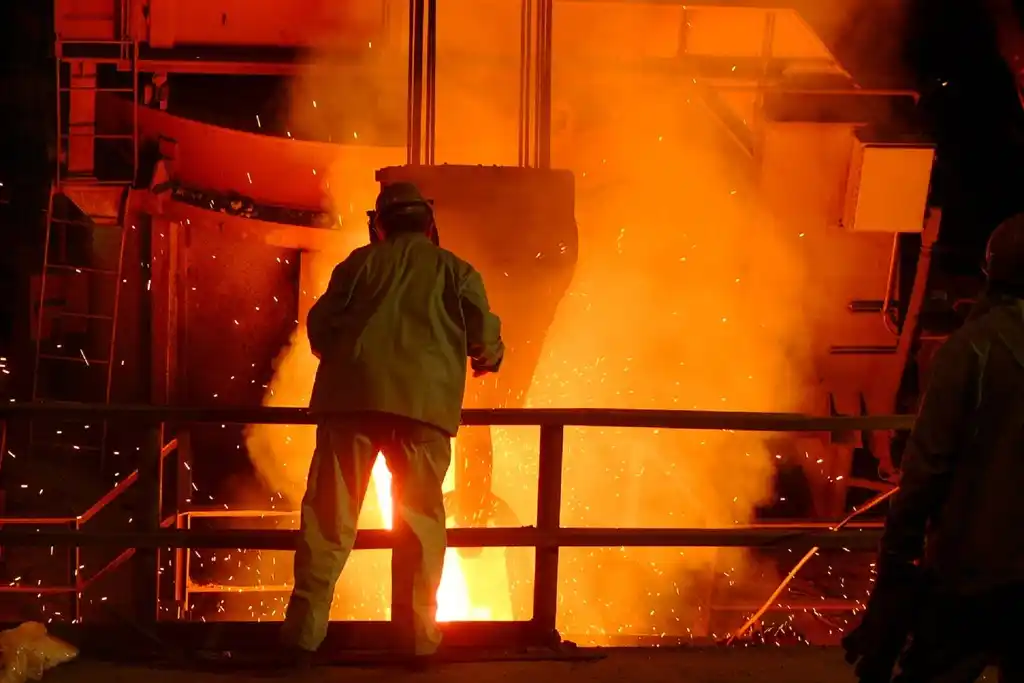
  1. Fermata dinamica ad alta inerzia: Questo comporta decelerare un sistema con una massa grande o una velocità di rotazione elevata. Il freno deve generare un momento torcente significativamente superiore all'energia cinetica del sistema per portarlo a uno stop controllato entro un tempo richiesto, specialmente durante una fermata di emergenza (E-Stop). Applicazioni come laminatoi in acciaio, grandi ventilatori e nastri trasportatori in discesa richiedono un momento torcente di frenatura dinamica elevato.
  2. Mantenimento statico di carichi massicci: Questa è la funzione di sicurezza più critica in molte applicazioni. Il freno deve esercitare abbastanza coppia statica per mantenere saldamente un carico contro la forza di gravità o altre forze esterne, con un margine di sicurezza significativo incorporato. Questo è fondamentale in apparecchiature come:
    • Argani minerari e argani per gru: Mantenere in posizione carichi sospesi dal peso di centinaia di tonnellate.
    • Turbine eoliche: Bloccare il rotore in posizione per la manutenzione, opponendosi a enormi forze del vento.
    • Funicolari e nastri trasportatori inclinati: Prevenire il rollback di sistemi completamente caricati.

The required torque rating is also critically dependent on the brake’s location in the drivetrain. A brake installed on the low-speed, high-torque side of a gearbox (e.g., on the final drive shaft) must be able to handle the full, multiplied torque of the load, often requiring ratings in the tens of thousands, hundreds of thousands, or even millions of Newton-meters. This is a common and fail-safe placement for critical holding brakes. Conversely, a brake placed on the high-speed, low-torque side (e.g., on the motor shaft before the gearbox) requires a much lower torque rating, but must be able to handle much higher rotational speeds and thermal loads.
Alta-Coppia CORRELATI

RICHIEDI UN PREVENTIVO

Per favore, lasciaci un messaggio e risponderemo entro 12 ore.